JR West partners with JAL and ANA

Railways and airlines have traditionally been competitors, competing for the same passengers. However, in recent years, collaboration has been increasing alongside the growth of inbound tourism demand in Japan.

For example, in 2021, overseas JAL Mileage Bank members became able to exchange their miles for the JR-WEST RAIL PASS. This marked one of the initiatives jointly promoted by JR West and JAL to encourage travel across western Japan.

Looking ahead to the 2030s, the two companies are working to directly integrate their booking systems, allowing travelers to arrange both rail and air transportation in a single booking process.

Previously, travelers needed to book flights first and then separately reserve Shinkansen or limited express trains. With this new system, international visitors to Japan will be able to organize their entire journey on one platform.

As an early example, dynamic package products combining flights between Haneda and Nanki-Shirahama with JR West’s Limited Express Kuroshio and regional rail passes are already being introduced.

While flights are generally slightly faster in terms of travel time, how do they compare on price?

For example, on the Osaka–Fukuoka route, last-minute airfare and the standard Shinkansen fare are roughly similar, both costing around ¥16,000. However, if flights are booked early and outside peak travel periods, airfare can sometimes drop to around ¥9,000, making air travel the cheaper option depending on the conditions.

Under the Japanese government’s goal of attracting 60 million international visitors by 2030, stronger integration between transportation and tourism is becoming increasingly important.

One key challenge will be how to combine and coordinate relatively stable Shinkansen fares with airline prices, which can fluctuate significantly depending on timing and demand.

Currently, around 70% of inbound travelers’ overnight stays are concentrated in the Tokyo metropolitan area, Kansai, and Nagoya, making regional distribution another major issue.

Attention is now focused on whether collaboration between railways and airlines can help solve this challenge by encouraging international visitors to travel beyond Japan’s major urban centers.

2026年5月2日
鉄旅ライフ編集部
過去のコラムはこちら

Beginner’s Guide to Trains in Japan: From Ticket Machines to Transfers

1. Before You Board: How to Buy a Ticket

Buying a Paper Ticket

  1. Find a ticket vending machine at the station.
  2. Check the fare to your destination on the route map above the machine.
  3. Select the fare amount on the screen.
  4. Insert cash and receive your ticket.

The route map above the ticket machine shows station names and fares.
(This photo was taken at Kokusai-Tenjijo Station on the way back from the Tokyo E-Prix of Formula E.)

It means that the fare to both Shinonome and Tokyo Teleport is 210 yen.

Using an IC Card (Suica, PASMO, etc.)

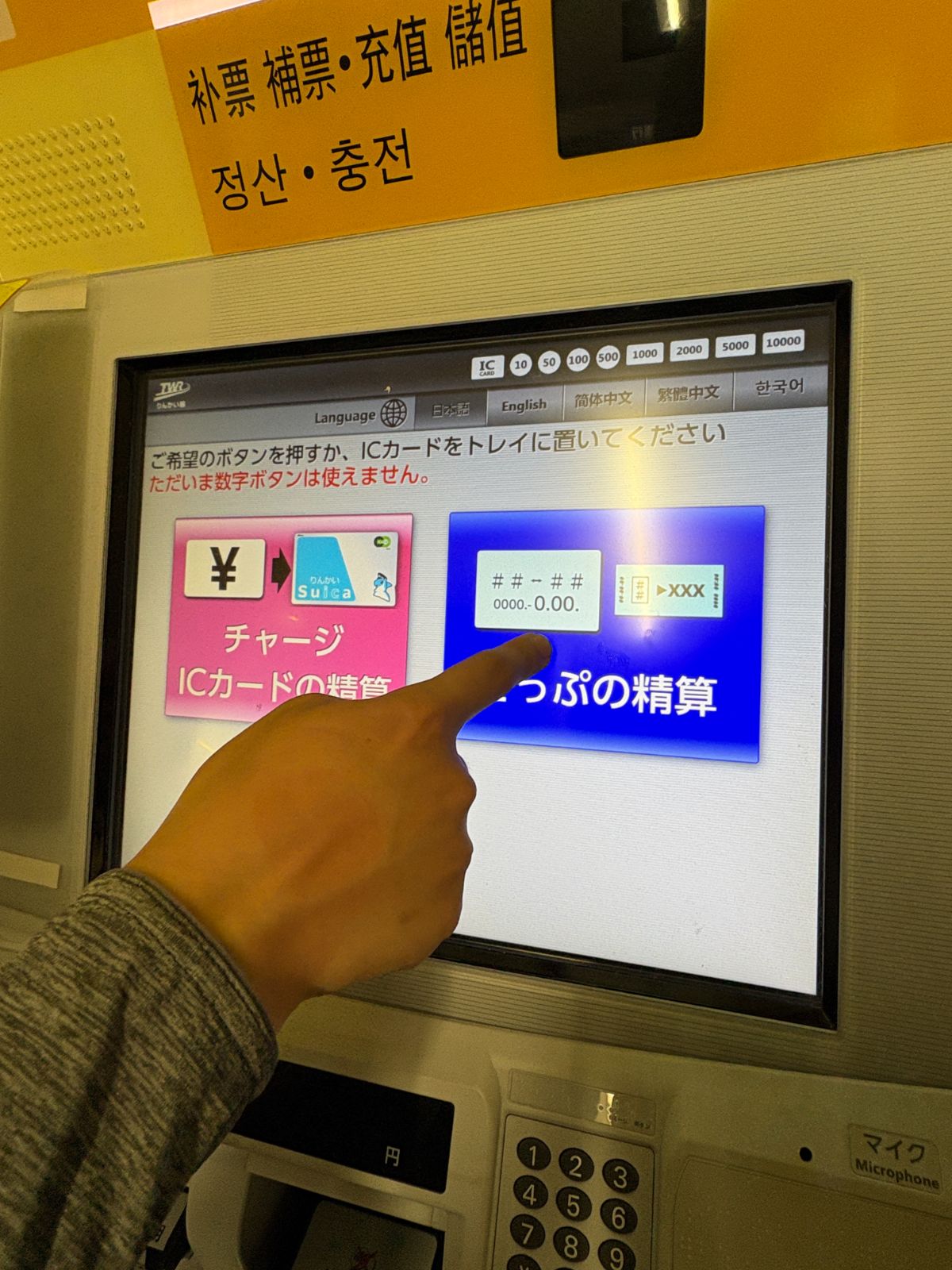
  • Purchase one from a multi-functional vending machine.
  • Recharge it using the designated charge machines (often labeled “チャージ”).
  • Tap the card on the ticket gate to enter or exit.
  • Good news: non-registered (anonymous) Suica cards became available again in March 2025!

2. How to Pass Through the Ticket Gate

If You Have a Paper Ticket

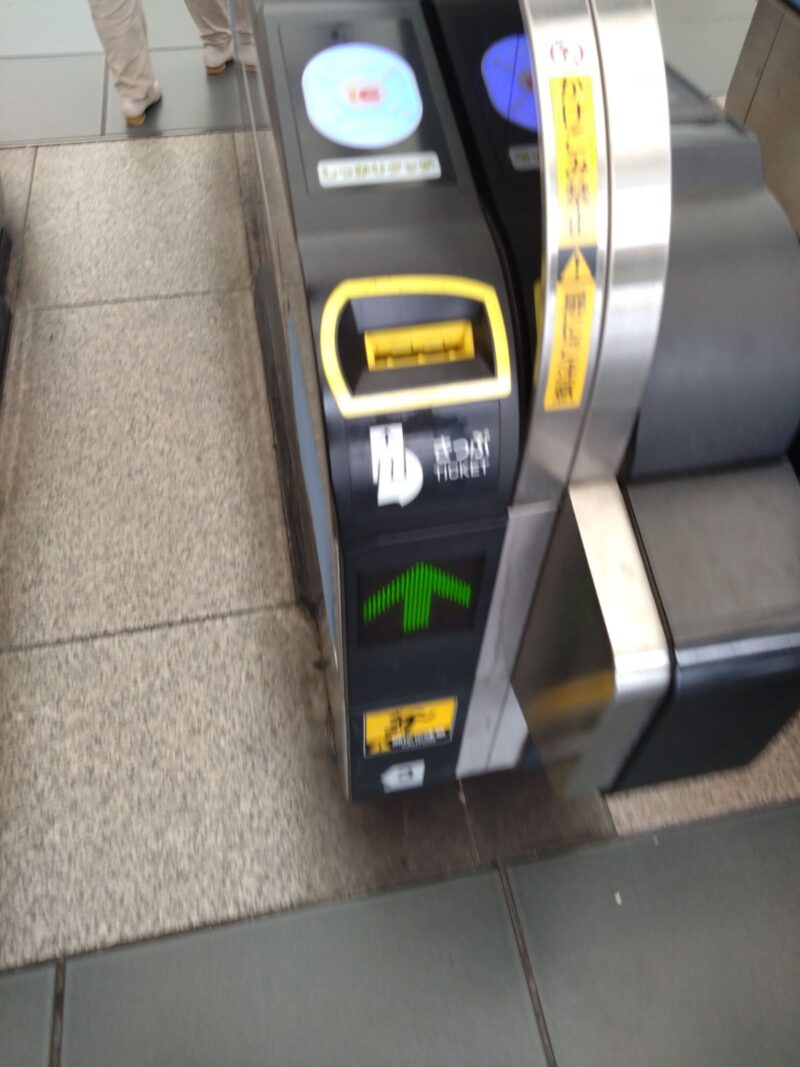
  • Insert the ticket into the gate slot to enter.
  • Pick it up as it comes out from the other side.
  • Do the same when exiting (the ticket will not be returned at your destination).

If You Use an IC Card

  • Lightly tap the IC card reader at the gate.
  • A beep and green light mean successful entry.
3. Finding the Right Platform and Train
Reading the Signs

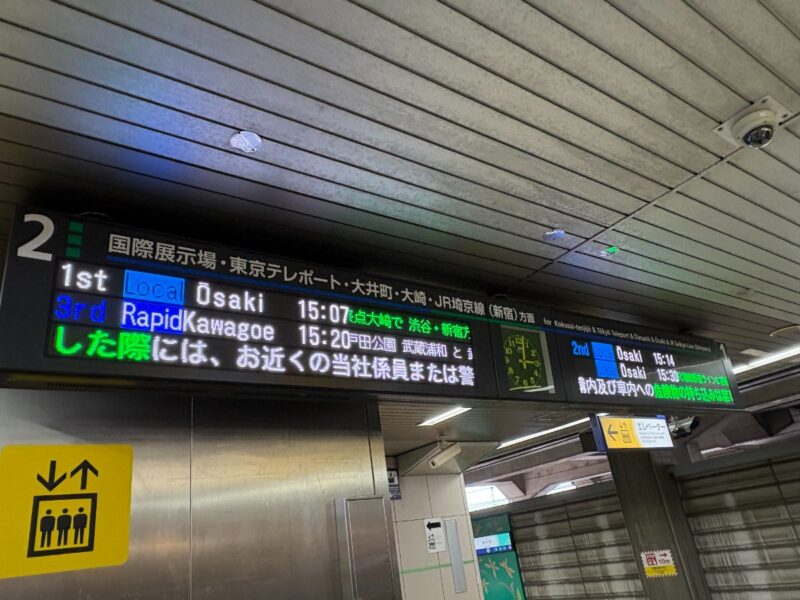
  • Look for platform numbers and train destinations.
  • Timetables and route types are shown as well.

Understanding Train Types

  • Local: stops at all stations.
  • Rapid / Express: skips some stations — check carefully!

4. How to Ride & Etiquette on Board

  • Avoid phone calls; use silent mode.
  • During rush hour, turn off your phone near priority seating.

5. Tips for Transferring

  • Follow the station signs marked with the line you need.
  • Be aware that transfers may involve long walks within the same station.

6. Frequently Asked Questions (FAQ)

Q: What if I board the wrong train?
→ Ask a station staff member for help. You can pay the fare difference.

Q: What’s the fare for children?
→ Ages 6 to 12 pay half the adult fare.


7. Conclusion: Ride with Confidence!

It’s natural to feel unsure the first time you take a train in Japan. But once you understand the basics, it’s a fast, clean, and convenient way to travel. Enjoy your trip and explore with ease!