
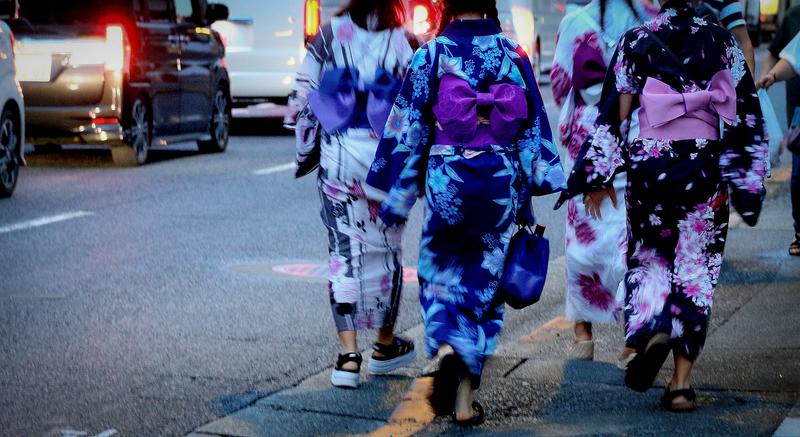
Across Japan, many large-scale festivals and events attract more than one million visitors every year. From traditional celebrations such as the Hakata Gion Yamakasa and the Gion Festival to snow festivals and illumination events, their scale is said to be among the largest in the world. This time, based on publicly available data, we have compiled a visitor attendance ranking of major festivals and events across Japan.
| Rank | Festival / Event | Location | Estimated Attendance | Event Period |
|---|---|---|---|---|
| 1 | Ueno Sakura Festa (Ueno Cherry Blossom Festival) | Taito City, Tokyo | Approx. 3–3.5 million | Mar 14 – Apr 5 |
| 2 | Hakata Gion Yamakasa | Fukuoka City, Fukuoka | Approx. 3 million | Jul 1 – Jul 15 |
| 3 | Kobe Luminarie | Kobe City, Hyogo | Approx. 2–3 million | Jan 30 – Feb 8 |
| 4 | Hakata Dontaku Port Festival | Fukuoka City, Fukuoka | Over 2 million | May 3 – May 4 |
| 5 | Sapporo Snow Festival | Sapporo City, Hokkaido | Approx. 2 million | Feb 4 – Feb 11 |
| 6 | Sendai Tanabata Festival | Sendai City, Miyagi | Approx. 2 million | Aug 6 – Aug 8 |
| 7 | YOSAKOI Soran Festival | Sapporo City, Hokkaido | Approx. 2 million | Jun 10 – Jun 14 |
| 8 | Nippon Domannaka Festival | Nagoya City, Aichi | Approx. 1.8 million | Aug 28 – Aug 30 |
| 9 | Gion Festival | Kyoto | Approx. 1.8 million | Jul 1 – Jul 31 |
| 10 | Sanja Festival | Tokyo | Approx. 1.8 million | May 15 – May 17 |
| 11 | Hiroshima Flower Festival | Hiroshima | Approx. 1.6 million | May 3 – May 5 |
| 12 | Shonan Hiratsuka Tanabata Festival | Kanagawa | Approx. 1.5 million | Jul 3 – Jul 5 |
| 13 | Hamamatsu Festival | Shizuoka | Approx. 1.5–2.5 million | May 3 – May 5 |
| 14 | Akita Kanto Festival | Akita | Approx. 1.3 million | Aug 3 – Aug 6 |
| 15 | Tenjin Festival | Osaka | Approx. 1.3 million | Jul 24 – Jul 25 |
| 16 | Morioka Sansa Odori Festival | Iwate | Approx. 1.1–1.4 million | Aug 1 – Aug 4 |
| 17 | Awa Odori | Tokushima | Approx. 1–1.3 million | Aug 12 – Aug 15 |
| 18 | Kochi Yosakoi Festival | Kochi | Approx. 1 million scale | Aug 9 – Aug 12 |
| 19 | Aomori Nebuta Festival | Aomori | Approx. 1 million scale | Aug 2 – Aug 7 |
| 20 | Kishiwada Danjiri Festival | Osaka | Approx. 1 million scale | Sep 19 – Sep 20 |
| 21 | Anjo Tanabata Festival | Aichi | Approx. 1 million | Aug 7 – Aug 9 |
| 22 | Tokyo Koenji Awa Odori | Tokyo | Approx. 1 million scale | Aug 29 – Aug 30 |
| 23 | Nagasaki Lantern Festival | Nagasaki | Approx. 1 million | Feb 17 – Mar 5 |
| 24 | Ohara Festival | Kagoshima | Approx. 1 million scale | Nov 2 – Nov 3 |
| 25 | Kanda Festival | Tokyo | Approx. 1 million scale | May 14 – May 17 |
| 26 | Nagaoka Festival Grand Fireworks Show | Niigata | Approx. 1 million | Aug 2 – Aug 3 |
| 27 | Sumida River Fireworks Festival | Tokyo | Approx. 900,000–1 million | Jul 25 |
- 1st Place: Ueno Sakura Festival (Approx. 3–4 Million Visitors)
- 2nd Place: Hakata Gion Yamakasa (Approx. 3 Million Visitors)
- 3rd Place: Kobe Luminarie (Approx. 2–3 Million Visitors)
- 4th Place: Sapporo Snow Festival (Approx. 2 Million Visitors)
- 5th Place: Sendai Tanabata Festival (Approx. 2 Million Visitors)
- 6th Place: Hakata Dontaku Port Festival (Approx. 2 Million Visitors)
- 7th Place: YOSAKOI Soran Festival
- 8th Place: Nippon Domannaka Festival
1st Place: Ueno Sakura Festival (Approx. 3–4 Million Visitors)
Held mainly around Ueno Park in Tokyo, this is one of the largest cherry blossom viewing events in Japan. With a tradition and history loved since the Edo period, the festival is considered one of Tokyo’s iconic spring celebrations. Around 1,200 cherry trees of approximately 50 different varieties bloom throughout the park, while illuminated lanterns and nighttime light-ups create a magical atmosphere after sunset. A large-scale gourmet food festival featuring regional cuisine and live performances is also held alongside the event, making it one of Japan’s most popular cherry blossom destinations. During sakura season, the entire park becomes crowded with visitors, and the illuminated night cherry blossoms attract especially large crowds. Its convenient location within walking distance of JR Ueno Station also brings huge numbers of visitors from both Japan and overseas.
2nd Place: Hakata Gion Yamakasa (Approx. 3 Million Visitors)
This traditional ritual festival of Kushida Shrine in Fukuoka has a history spanning more than 770 years. Recognized as a UNESCO Intangible Cultural Heritage event, it is one of Hakata’s most iconic summer traditions. The festival is dedicated to Kushida Shrine, and the sight of local men racing through the streets while carrying enormous “Kakiyamakasa” floats is truly spectacular. Excitement reaches its peak during the “Oiyamakasa” finale held early in the morning on the last day. Attracting around three million spectators during the festival period, it is considered one of Japan’s most dynamic and powerful traditional festivals. Its convenient location near Hakata Station also makes it well known as an easily accessible festival for travelers.
3rd Place: Kobe Luminarie (Approx. 2–3 Million Visitors)
Kobe Luminarie is an illumination event that began as a symbol of recovery and remembrance following the Great Hanshin-Awaji Earthquake. It has become a deeply symbolic occasion that preserves the memory of the disaster for future generations, attracting visitors from across Japan and overseas who come to experience both its beauty and atmosphere of prayer. The fantastical corridors of light illuminate the streets of Kobe, establishing the event as one of the Kansai region’s signature winter attractions. During the event period, nearby hotel prices often rise significantly due to the large number of visitors. With approximately two to three million attendees, it is regarded as one of Japan’s most famous festivals of light. The installations are designed by Italian artists, featuring massive illuminated structures such as the “Galleria,” a grand tunnel of colorful lights made from tens of thousands of bulbs, and the majestic “Casa Armonica,” which glows dramatically against the winter night sky.
4th Place: Sapporo Snow Festival (Approx. 2 Million Visitors)
The Sapporo Snow Festival is a world-famous winter event held in Sapporo, Hokkaido. The festival began in 1950 when local high school students created six snow sculptures in Odori Park. Held every year in early February, it now attracts around two million visitors from Japan and around the world, and is considered one of the world’s three major snow festivals.
At the main Odori venue, visitors can see enormous snow sculptures exceeding 10 meters in height, recreating historical landmarks, anime characters, and other famous subjects with astonishing detail and craftsmanship. Massive snow and ice sculptures, along with projection mapping displays, have become major attractions, and the event is especially popular among international tourists.
As one of Japan’s most iconic winter spectacles, the festival transforms central Sapporo into a vast snow-covered exhibition space. Giant snow monuments and finely crafted community-made sculptures line the streets around Odori Park, while nighttime illuminations create a magical atmosphere. Visitors can also enjoy projection mapping shows and food stalls featuring Hokkaido’s famous winter cuisine, making the festival an internationally celebrated winter event.
5th Place: Sendai Tanabata Festival (Approx. 2 Million Visitors)
The Sendai Tanabata Festival is one of the largest Tanabata festivals in the Tohoku region, famous for its spectacular streamers and decorations that completely fill the shopping arcades. The festival is said to have originated more than 400 years ago when feudal lord Date Masamune encouraged cultural development in the region. Today, it remains one of Sendai’s most iconic summer traditions and is counted among the Three Great Festivals of Tohoku. Held annually from August 6 to August 8, the areas around Sendai Station and the city’s central shopping arcades are decorated with thousands of magnificent Tanabata ornaments. Beautiful handmade decorations crafted from traditional Japanese paper, along with the elegant “Seven Decorations” associated with Tanabata customs, transform the city into a colorful summer spectacle. Every year, more than two million visitors come to experience the festival’s atmosphere and traditional beauty. Since the event coincides with Japan’s summer vacation season, early hotel reservations are strongly recommended.
6th Place: Hakata Dontaku Port Festival (Approx. 2 Million Visitors)
Held every year on May 3 and 4 during Japan’s Golden Week holidays, the Hakata Dontaku Port Festival attracts more than two million visitors, making it one of the largest festivals in the country. The event traces its origins to “Hakata Matsubayashi,” a traditional celebration recorded in the historical chronicle Chikuzen no Kuni Zokufudoki. During the festival, lively parade groups known as “Dontaku-tai” march through the streets while rhythmically clapping rice scoops called shamoji, and numerous performance stages set up across the city fill Hakata with energy, music, and celebration. The festival is rooted in the traditional folk event “Hakata Matsubayashi,” which is said to have begun in 1179. Held over two days every Golden Week, the entire city becomes packed with visitors from both Japan and overseas, making it one of Japan’s largest citizen festivals in terms of attendance. The word “Dontaku” is derived from the Dutch word “Zondag,” meaning holiday or Sunday. True to its name, the festival creates an atmosphere where everyone can forget daily life and enjoy the celebration together.
7th Place: YOSAKOI Soran Festival
Founded in 1992 by students inspired by the Yosakoi Festival in Kochi Prefecture, the YOSAKOI Soran Festival began with only 10 teams and around 1,000 dancers. Today, it has grown into one of Sapporo’s signature early summer events, attracting approximately two million visitors from Japan and around the world. Set against the backdrop of Sapporo in early summer, the festival is an energetic dance celebration that draws huge crowds every year. It was created through the fusion of the passionate spirit of Kochi’s Yosakoi Festival and the traditional “Soran Bushi” folk songs of Hokkaido.
The festival’s core rules are remarkably simple: dancers must perform while holding naruko clappers in their hands, and the music must incorporate phrases from the traditional Soran Bushi melody. Performers dressed in colorful costumes deliver powerful and dynamic routines, filling the city with overwhelming excitement, energy, and emotion.
8th Place: Nippon Domannaka Festival
Founded in 1999 by students who wanted to channel youthful energy into revitalizing the city, the Nippon Domannaka Festival (commonly known as “Domatsuri”) has grown into one of Nagoya’s largest summer events. Held every year in late August across multiple locations throughout Nagoya, the festival now brings together around 200 teams and approximately 20,000 dancers from Japan and overseas, attracting more than 1.8 million spectators annually.
One of the festival’s defining features is its unique rule requiring each participating team to incorporate at least one phrase related to their local region, traditional folk performance, or folk song into their music. This creates an extraordinary fusion of regional Japanese culture with modern dance styles and contemporary music genres such as rock and jazz. As a result, audiences can experience a wide variety of energetic and highly creative performances throughout the festival.

