In Japan, special rail passes occasionally appear that make long-distance train travel surprisingly affordable. One of them is the JR East “Kyun Pass,” a limited weekday pass that allows unlimited rides on trains, including the Shinkansen, for about ¥10,000 per day.
I planned this trip to get the most value out of the pass while also creating a route that children could enjoy. This article is a record of my actual family rail journey through snow, sea, and local trains.
Planning the Best Strategy to Maximize the Kyun Pass
First, I booked the pass through Ekinet, JR East’s official online reservation platform. The Kyun Pass is sold exclusively online, so it cannot be purchased at ticket counters or stations.
Since this pass offers exceptional value, the key question was how to use it as efficiently as possible. My first step was to calculate which route would generate the highest normal ticket cost if paid separately.
On paper, the most cost-effective option seemed to be taking the Hokuriku Shinkansen toward Niigata, then continuing north on limited express trains toward Aomori before returning to Tokyo. Long-distance travel combined with multiple express services would maximize the value of this unlimited pass.
I spent time researching different route combinations, including how to incorporate as many limited express trains as possible into a single trip.
Checking Limited Express Trains Covered by the Kyun Pass
| Train Name | Main Route | Seat Type | Notes |
|---|---|---|---|
| Azusa / Kaiji | Shinjuku – Kofu / Matsumoto | All Reserved Seats | Main limited express on the Chuo Main Line, operated by the comfortable E353 series. |
| Hitachi / Tokiwa | Shinagawa / Ueno – Mito / Iwaki | All Reserved Seats | Fast service on the Joban Line, also useful between Shinagawa and Ueno. |
| Odoriko | Tokyo / Ikebukuro – Izukyu-Shimoda | All Reserved Seats | A scenic limited express along the Tokaido Line toward the Izu Peninsula. |
| Narita Express | Ofuna / Shinjuku – Narita Airport | All Reserved Seats | Convenient airport express linking Tokyo, Shinagawa, Shinjuku, and Yokohama. |
| Wakashio / Sazanami | Tokyo (Keiyo Line) – Katsuura / Kimitsu | All Reserved Seats | Fast access from Tokyo to the Boso Peninsula. |
| Shiosai | Tokyo – Choshi | All Reserved Seats | Limited express on the Sobu Main Line with improved onboard comfort. |
| Kusatsu / Shima | Ueno – Naganohara-Kusatsuguchi | All Reserved Seats | Direct service connecting the Takasaki and Agatsuma lines. |
| Shonan / Akagi | Tokyo / Shinjuku – Odawara / Takasaki | All Reserved Seats | Weekday-oriented limited express services useful on Kyun Pass travel days. |
| Nikko / Kinugawa | Shinjuku – Kinugawa Onsen | All Reserved Seats | Through service to Tobu Railway; JR sections can also be used independently. |
There was one problem: almost all of these limited express trains require reserved seats.
Since I was traveling with children, paying extra reservation fees for multiple trains was not ideal. Technically, these trains were still available with the pass, but using them repeatedly would reduce the cost advantage I was trying to maximize.
I also considered taking the non-reserved cars on the Yamabiko Shinkansen to Morioka, mainly to see the Hayabusa and Komachi trains coupled together, which is always exciting for children. However, I still wanted to experience at least some limited express services during the trip.
After comparing different options, the destination was gradually narrowed down to the Niigata area.
Japanese Limited Express Trains with Non-Reserved Seats
| Train Name | Main Route | Seat Type | Notes |
|---|---|---|---|
| Tsugaru / Super Tsugaru | Aomori / Shin-Aomori – Akita | Non-Reserved Seats Available | Fast service on the Ou Main Line, useful for saving reserved seat allocations. |
| Inaho | Niigata – Sakata / Akita | Non-Reserved Seats Available | Runs along the Sea of Japan coast on the Uetsu Main Line. Spacious E653 series seating. |
| Shirayuki | Niigata – Joetsumyoko / Arai | Non-Reserved Seats Available | Connects the Shinetsu Main Line with Echigo Tokimeki Railway services. |
| Shinano | Nagano – Matsumoto / Shiojiri | Non-Reserved Seats Available | Mountain route service on the Shinonoi Line using the tilting 383 series. |
They are relatively rare, but a few options do exist.
Non-Reserved Seat Availability During the Kyun Pass Period
I actually missed the first train I had originally planned to take.
Instead, I ended up boarding a Shinkansen in the 7 a.m. hour, which is generally considered one of the busiest time slots during the Kyun Pass campaign period. Even so, since the train departed from Tokyo, I was still able to secure seats without any issue, and my concerns turned out to be unnecessary.
My original itinerary was as follows:
- 06:28 — Depart on Hokuriku Shinkansen Hakutaka 551
- 08:27 — Transfer at Myoko-Kogen to the Nihonkai Hisui Line and head to Naoetsu
- Transfer again to a Toyama-bound local train and continue to Itoigawa
- 10:29 — Arrive at Itoigawa
The Minute-by-Minute Schedule Collapsed Almost Immediately
Things started going wrong almost immediately.
In my rush to catch the first train, I was already exhausted before the trip had even properly begun. I was not feeling well, and on the way to the station I had been hurrying while carrying my child at times, trying to stay on schedule.
By the time I finally sat down, the sense of relief completely lowered my guard.
At Tokyo Station, my child kept saying, “Papa, Papa,” but I casually replied, “It’s okay, we’re almost there.”
When I finally looked outside after getting off, I realized we had already passed Tokyo Station and ended up at Shinbashi instead.
So the first unexpected event of the day was an immediate return trip back to Tokyo Station.
Since the first train I had originally planned to board had already departed, I quickly changed plans and lined up for another departing Shinkansen to make sure I could still get seats in the non-reserved cars.
At that moment, my only priority was boarding quickly and securing seats while traveling with my child.
That turned out to be a mistake.
I had originally planned to board the Hokuriku Shinkansen Hakutaka, but accidentally boarded Toki 303 instead.
For travelers unfamiliar with Japanese railways, this is an easier mistake to make than it sounds. Some Shinkansen trains look almost identical from the outside, especially when you are rushing, tired, or traveling with a child.
The lesson is simple: never rely only on appearance. Always double-check the train name, platform information, departure board, and final destination before boarding.
Since my route had been planned almost minute by minute, I sat down on the Shinkansen and immediately reviewed the entire itinerary again.
Even though I had boarded the wrong train, it looked like I could still continue the trip by reversing the route order without causing any major connection issues.
The train was almost full when I boarded, likely close to full occupancy. There were many younger passengers on board, but after Echigo-Yuzawa, a large number of them got off, and the atmosphere became much quieter with noticeably more available seats.
Early in the trip, I heard a conductor speaking in a very firm tone to a group of around four young passengers seated nearby. Based on what I could hear, it seemed they may have been placing suitcases and other luggage on empty seats.
Situations like this are probably common enough to require immediate and decisive action. If left unaddressed, unnecessary seat occupation would likely prevent other passengers from finding seats, especially on busy travel days. A lenient response would probably only make onboard management more difficult later on.
Watching how directly the conductor handled the situation gave me a strong sense of respect for the people responsible for maintaining order and protecting a functional travel environment.
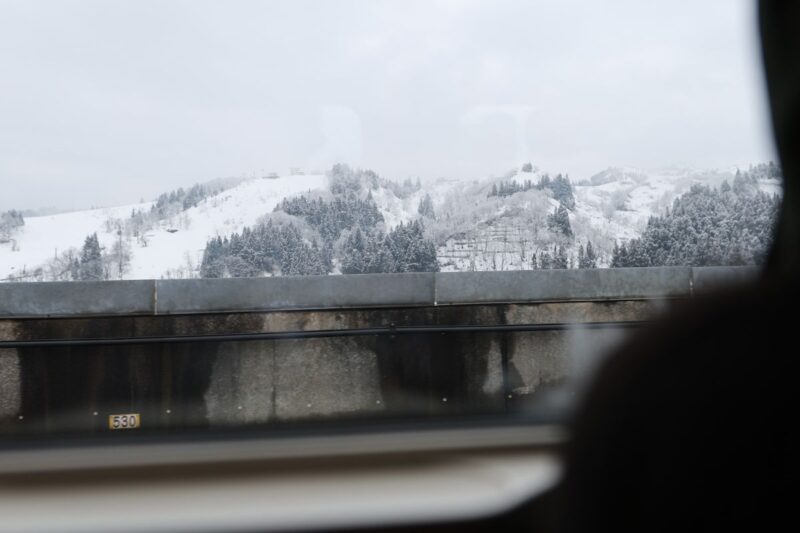
My child was so excited to see the snow. After everything it took to get onto the Shinkansen, it felt worth it.
Kyun Pass Travel Report
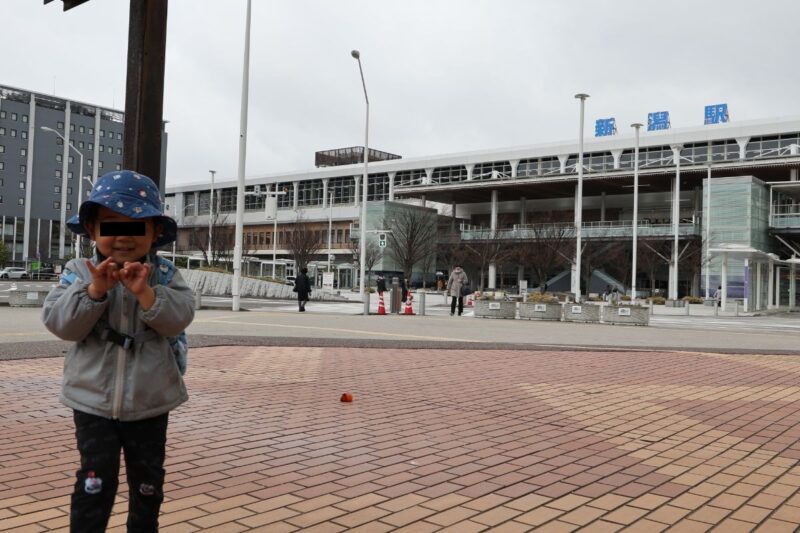
We arrived at Niigata at 8:56 a.m.
Before the next train, I spent some time with my child watching Shinkansen trains and local buses around the station to pass the time.
Niigata is famous for the Bus Center Curry, a well-known local specialty, but this time I decided to buy an ekiben instead.
For me, one of the greatest pleasures of train travel is enjoying a station bento with a drink while riding a limited express train. It is both a personal indulgence and one of the highlights of the journey.
At 10:23 a.m., I boarded Limited Express Shirayuki No. 4 bound for the Joetsumyoko area.
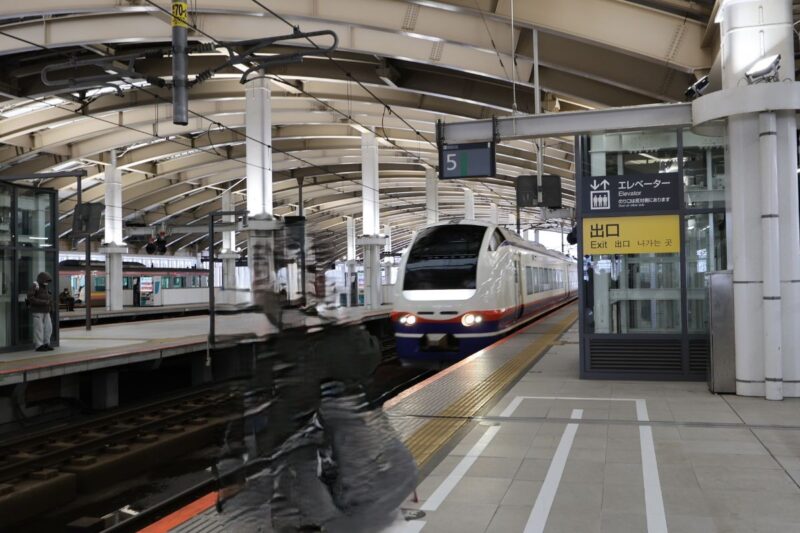
Limited Express Shirayuki arrived.
Express Shirayuki
“Shirayuki” literally means “white snow” in Japanese.
Many Japanese limited express trains are given poetic or beautiful names inspired by nature, seasons, geography, or cultural imagery. Train names in Japan are often designed to evoke a certain atmosphere or destination experience, rather than serving only as functional labels.
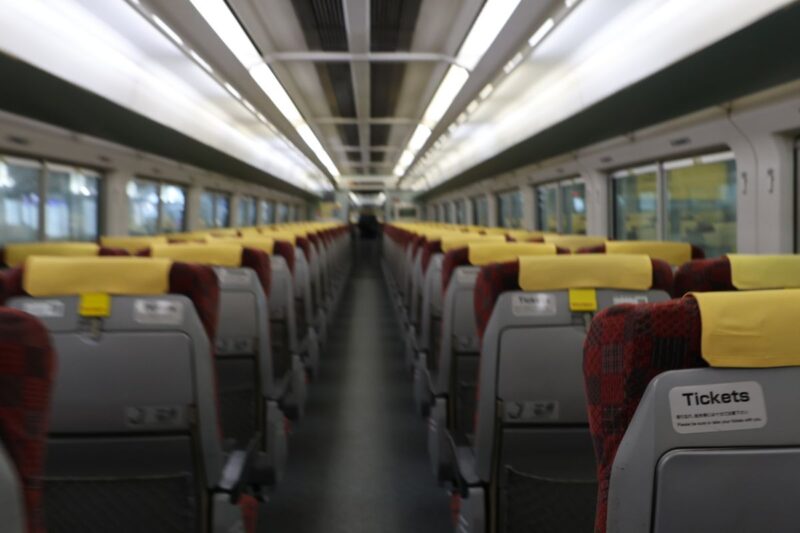
Inside Limited Express Shirayuki.
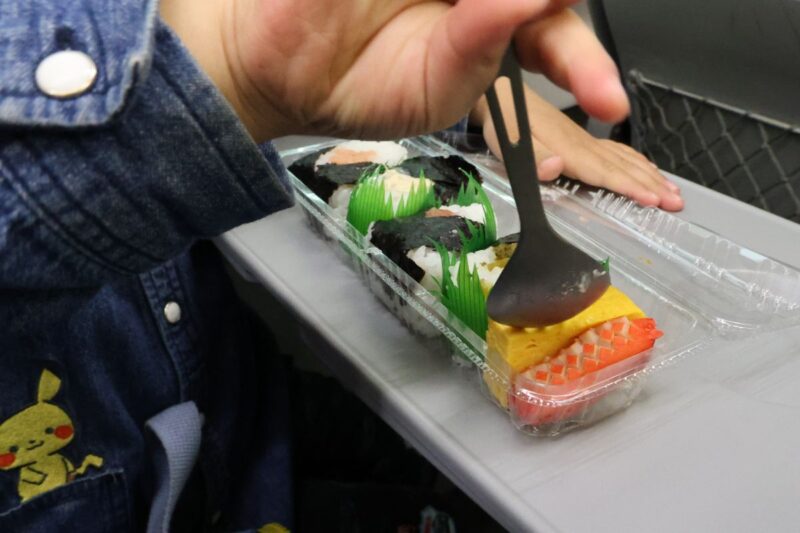
My child loves onigiri.
I told them they could choose any bento they wanted, but they still ended up choosing onigiri.
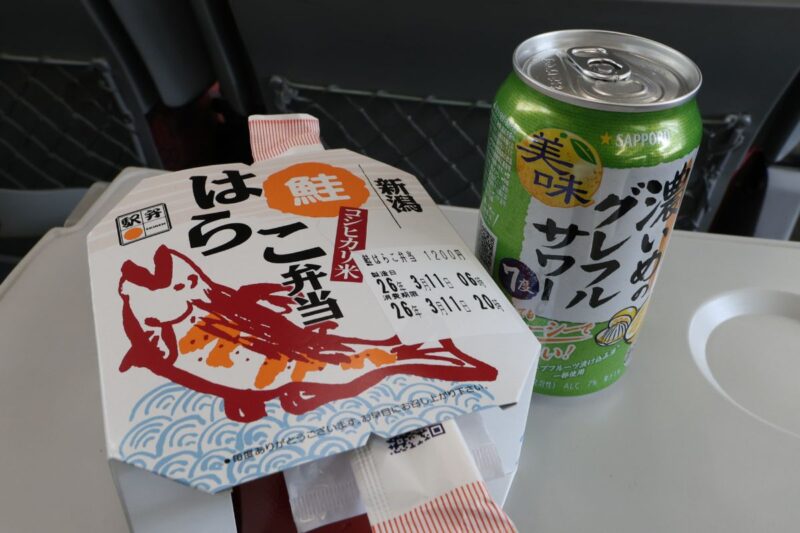
I chose a salmon and ikura bento, already predicting that my child would want the salmon roe.
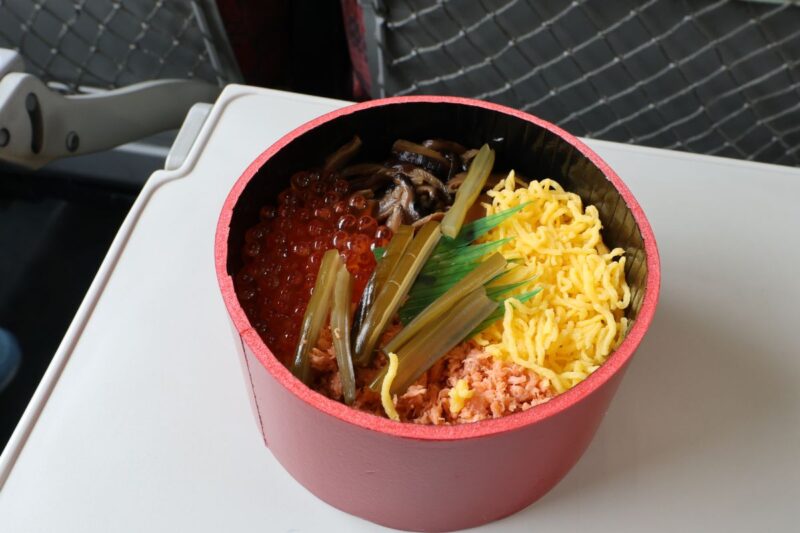
As expected, my child ended up eating most of the ikura.
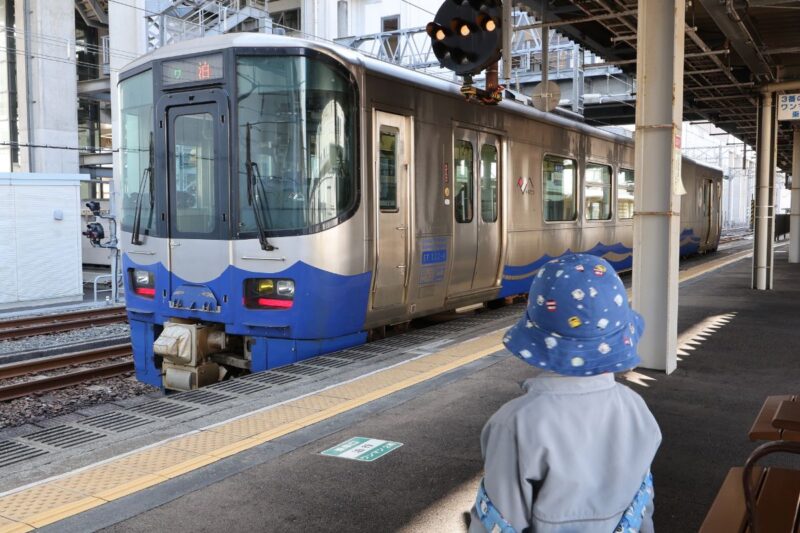
At 12:09 p.m., I got off at Naoetsu Station and transferred to the Nihonkai Hisui Line operated by Echigo Tokimeki Railway, heading toward Tomari in Toyama Prefecture.
I deliberately chose this route because I wanted to check whether the Kyun Pass could be used on this section. Unfortunately, this segment was not covered by the pass, so I had to pay an additional ¥1,070 onboard.
The ride itself was not unpleasant, but compared with the earlier limited express trains, the car felt noticeably noisier and more rattly.
It made me wonder whether this was a diesel train. At the same time, overhead wires were visible throughout much of the route, which was interesting to notice.
I arrived in Itoigawa around 1:00 p.m.
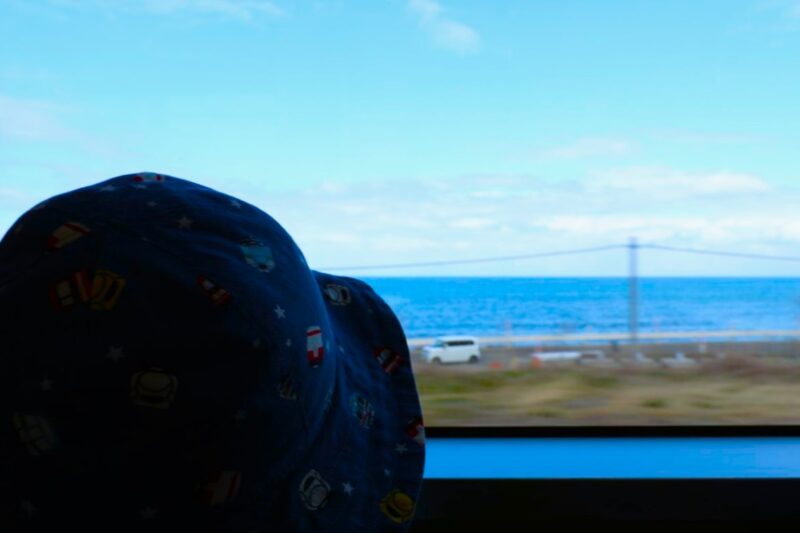
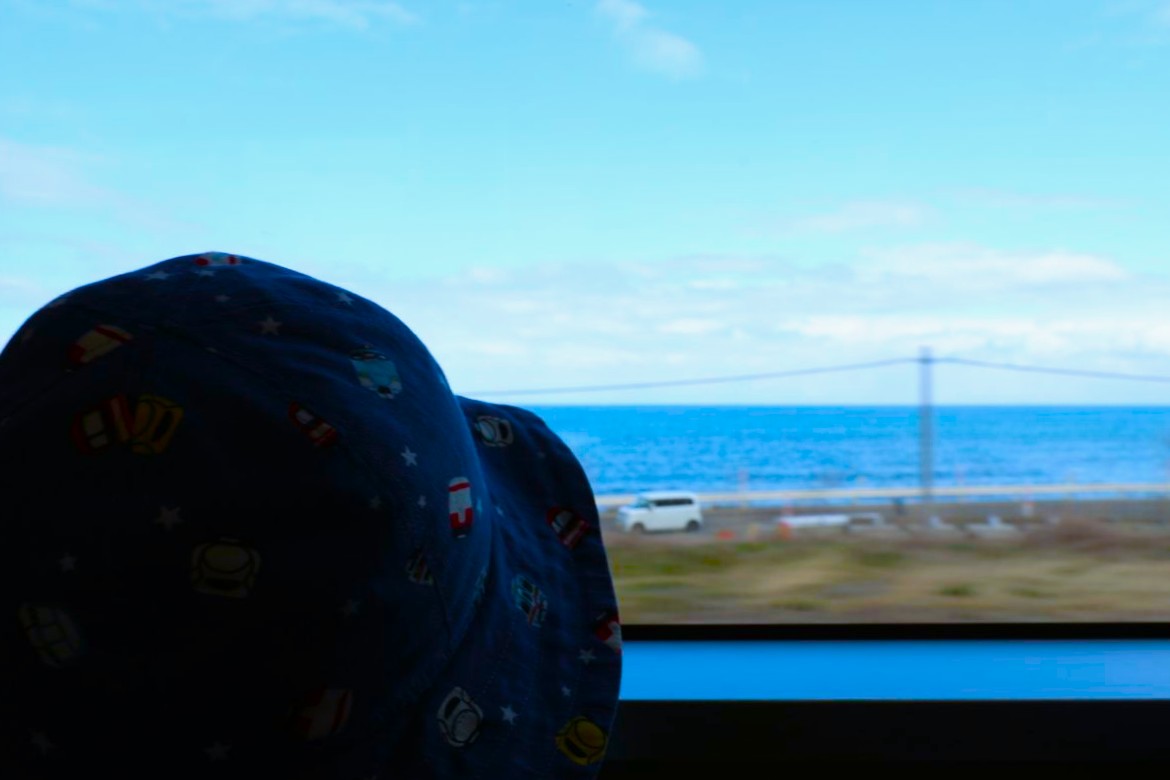
A parent and child were delighted to see the sea from the train.
Spending Time at Geopal, Itoigawa Station
This facility is incredible, especially considering it is free to use. If it were near where I live, I would probably visit every week.
There was only one foreign tourist when we arrived, and after they left, it felt like we had the entire place to ourselves. The quiet, almost private atmosphere made the experience even better.
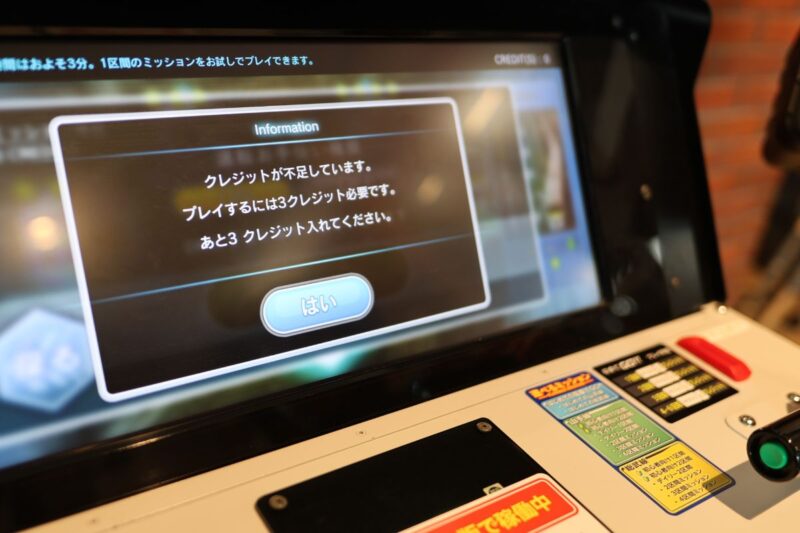
My child was especially enjoying the exhibits, but was disappointed to find that the “Train Simulator (Densha de Go!)” was not free and required a fee.
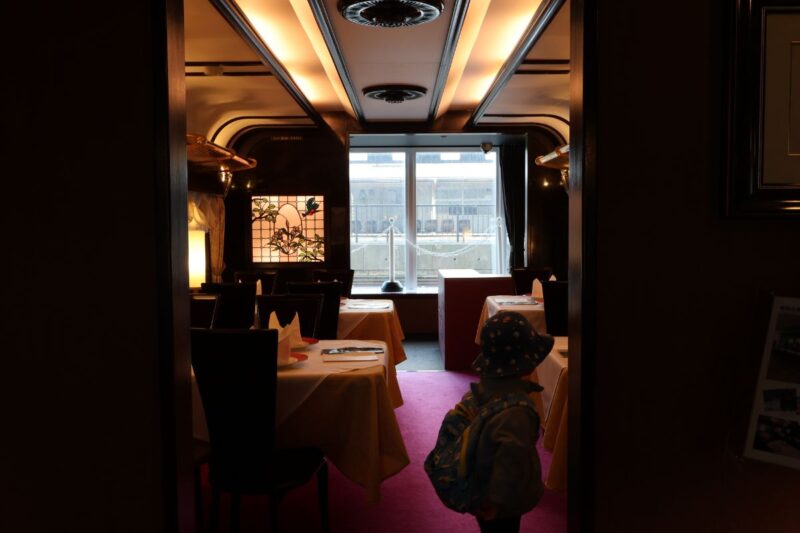
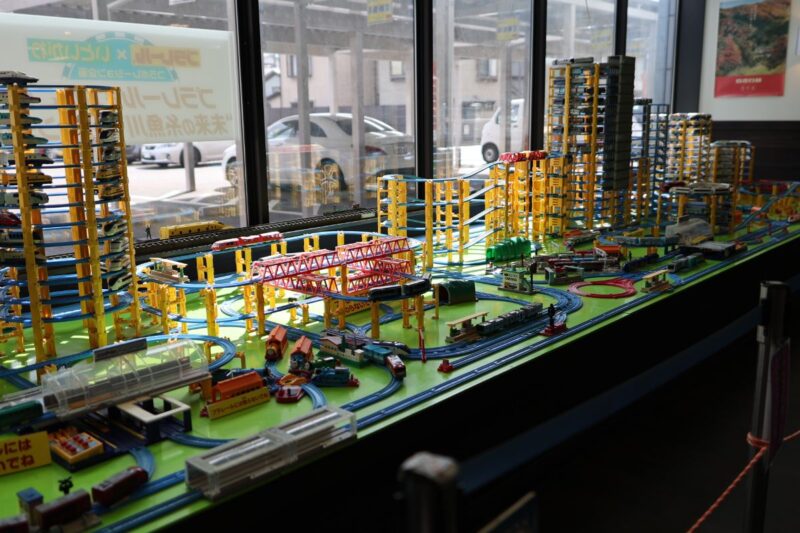
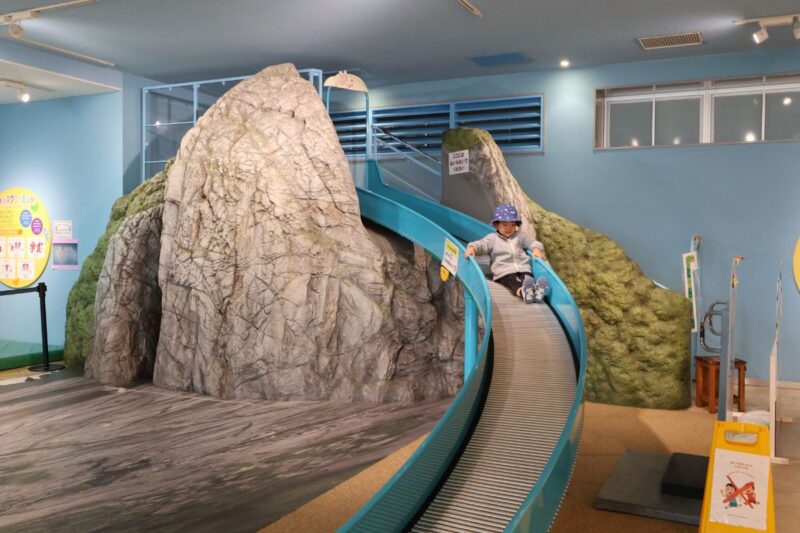
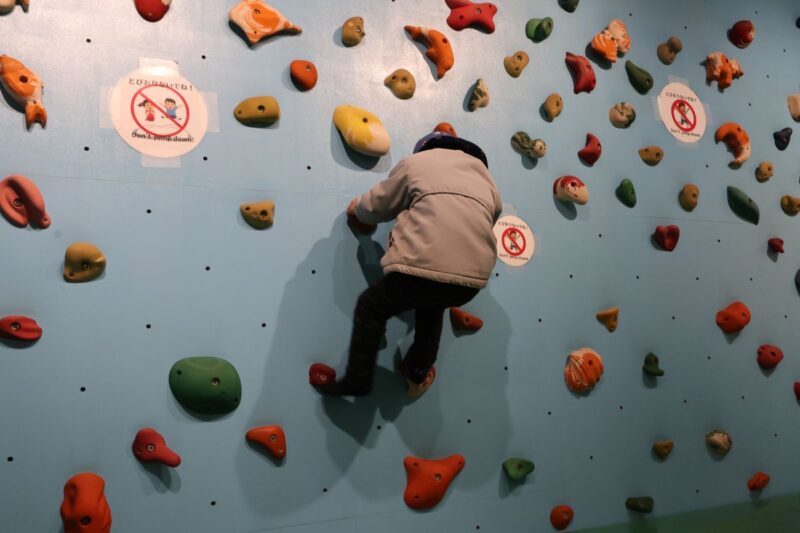
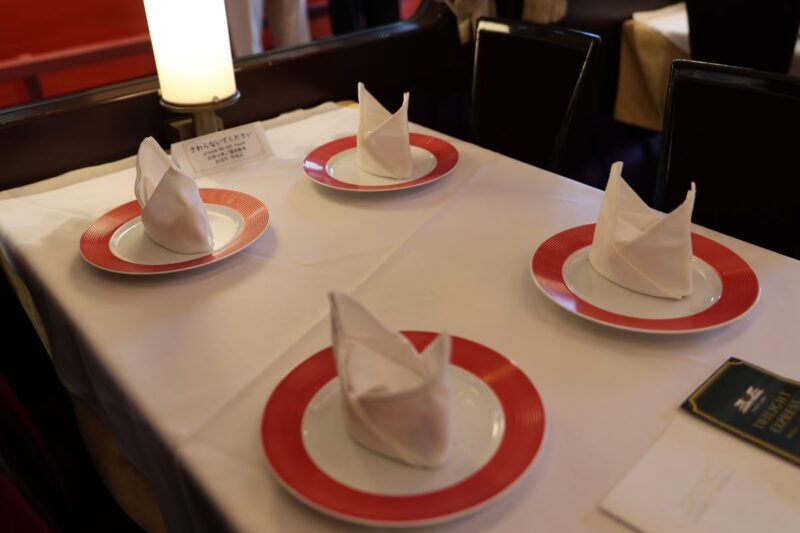
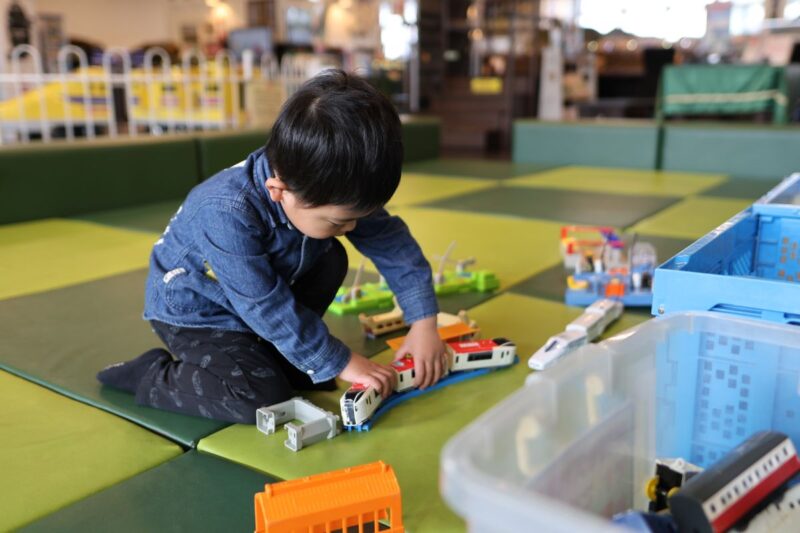
My child kept playing with the toy train (Plarail) and didn’t want to leave. After about three hours, they finally seemed satisfied. The flexibility to change plans without worrying about strict schedules was one of the advantages of using non-reserved seating.
For the return trip, I decided to save time by taking the Shinkansen from Itoigawa to Joetsumyoko. I purchased a ticket for the Shinkansen segment accordingly.
At the ticket gate, I passed through using three items: a regular ticket, a non-reserved seat limited express ticket, and the Kyun Pass.
Probably tired from the day, my child ate a donut and a cream bun on the way back, and before we knew it, we were already home.
Normally, a round trip between Tokyo and Itoigawa would cost around ¥20,000, so being able to complete the journey for about ¥10,000 while still enjoying the trip felt like a very efficient and satisfying use of the pass.

