There are many types of discount options available for Shinkansen travel, including online-only deals and special tickets with specific conditions.
However, some discounts are limited to residents of Japan or require Japanese-language booking systems, making them difficult for international travelers to use.
This guide explains how to obtain a Suica IC card in Japan and how to book Shinkansen tickets at discounted prices.
- No need to buy paper tickets
- No need to settle extra fare at the ticket counter when you travel beyond your planned station
- Can also be used at convenience stores and other shops
If you are traveling in Japan, Mobile Suica is a very convenient option.
Three Ways to Get a Suica Card
If you are traveling to Japan, having an IC card like Suica is the most convenient way to pay for trains, buses, and even at convenience stores.
- Standard Suica (Anonymous)
Foreign travelers can purchase a standard Suica card at major JR East stations in the Tokyo metropolitan area, including the black multi-function ticket machines and JR ticket offices (Midori no Madoguchi).
Where to buy: Ticket machines or JR ticket offices (Midori-no-Madoguchi) at major stations such as Tokyo, Shinjuku, and Shibuya
Cost: Initial payment, including a 500 yen deposit
Validity: Valid for 10 years. The 500 yen deposit is refundable when the card is returned at designated JR East stations.
However, return locations are limited, and the refund process may take time depending on how busy the station is.
- Welcome Suica (Tourist Card)
A special version designed for short-term visitors.
Where to buy: Narita and Haneda Airport
Key advantage: No deposit required
Important:
Valid for 28 days only
Remaining balance is non-refundable
- Welcome Suica Mobile (App)
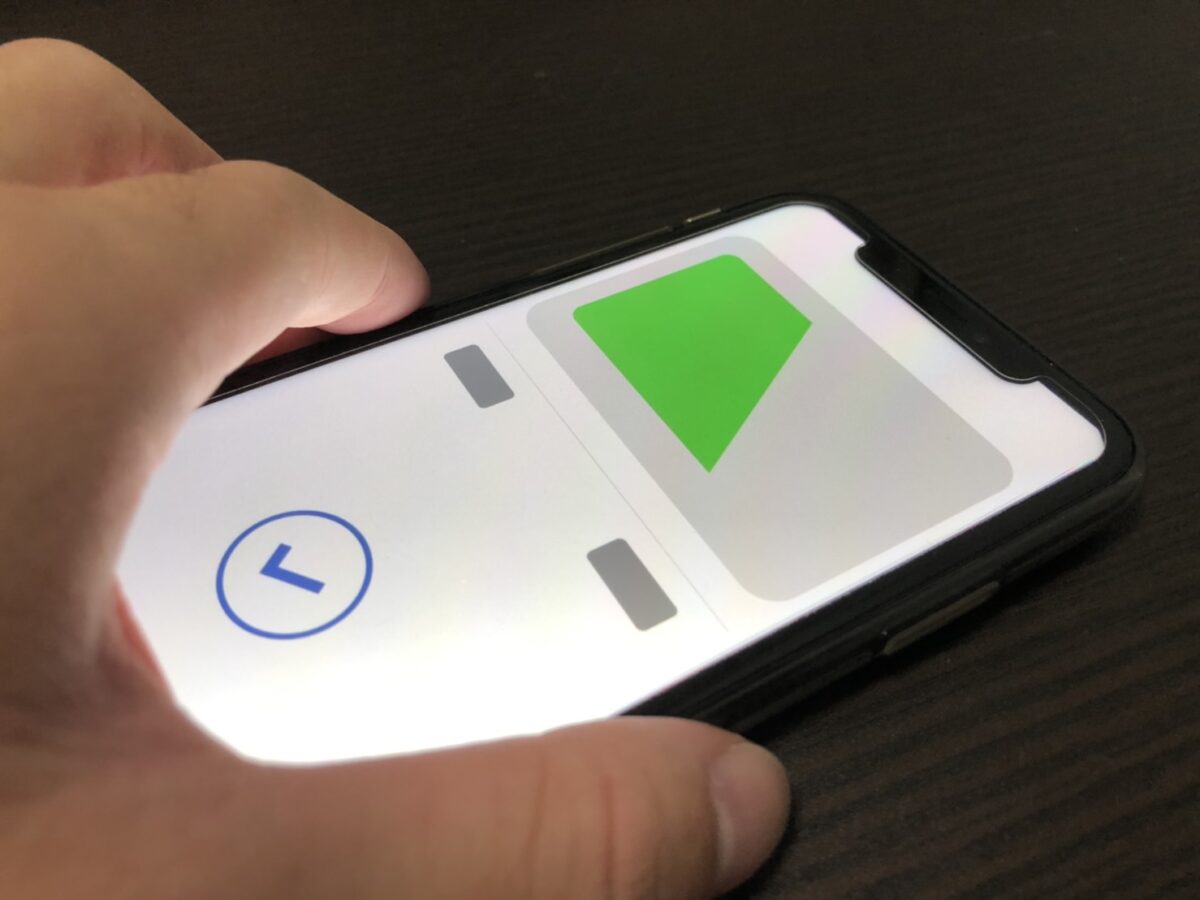
For iPhone users, this is often the easiest option.
How to get: Download the Welcome Suica app
Payment: Apple Wallet (Visa, Mastercard, Amex)
No physical card is needed—just tap your phone at the ticket gates.
Important:The remaining balance will expire after 180 days.
Welcome Suica Mobile (App)
Welcome Suica Mobile is the option most travelers choose, as it is fast to set up and easy to use without needing a physical card.
However, there are important validity limits to be aware of. Welcome Suica Mobile is valid for 180 days, while the physical Welcome Suica card is valid for 28 days. In both cases, any remaining balance will expire and cannot be refunded.
Standard Suica: A Better Option for Long-Term Use
By contrast, a standard Suica card used in Japan remains valid for up to 10 years after the last use. If you plan to revisit Japan or want to avoid losing your balance, it is recommended to obtain a standard (anonymous) Suica card once you arrive.
Mobile Suica (App) and Payment Limitations
Mobile Suica(App) requires FeliCa, a contactless payment technology. Many smartphones outside Japan do not support this feature, so Mobile Suica may not be available on some devices.
Even if the device is compatible, some overseas-issued credit cards may not be accepted for charging Mobile Suica.
In such cases, cash top-ups at station machines may be required.
So I started thinking about a better way to use this system.
First, before traveling to Japan, install Welcome Suica Mobile on your iPhone. Then register for Smart EX and book your Shinkansen tickets in advance. This allows you to take advantage of early booking discounts.
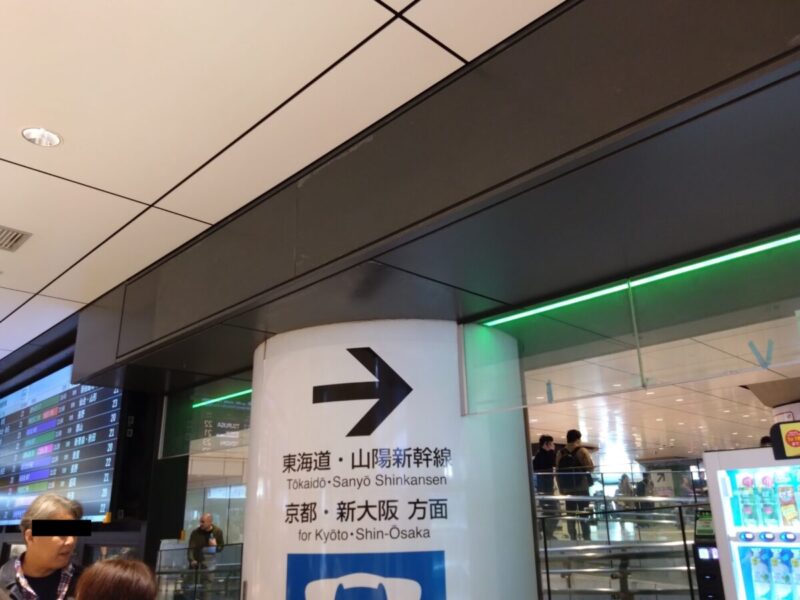
The ticket counters at Tokyo Station were extremely crowded, with so many people that it was difficult even to take photos.It is almost unthinkable to line up to buy tickets.
It is better to book your Shinkansen tickets before arriving in Japan. It is cheaper and more comfortable.
How to Ride the Shinkansen at a Lower Price Without Losing Your Deposit
The remaining balance expires after 180 days, which can feel a bit wasteful.
Therefore, a practical approach is as follows: upon arrival in Japan, use your pre-linked Welcome Suica (connected with Smart EX) to ride the Shinkansen and spend it down during your trip. Then, purchase a Standard Suica from a ticket machine and charge it with Japanese yen in cash.
After that, for everyday use—such as local trains or payments at convenience stores—a standard Suica card is more convenient and stress-free. The balance on a Standard Suica remains valid for up to 10 years after the last use.
Step 1: Before you fly Install Welcome Suica Mobile on your iPhone and link it to the Smart EX app. Book your Shinkansen using “Hayatoku” (Early Bird) discounts. You save money and skip the station queues!
Step 2: After you arrive Find a Standard Suica (Green Card) at a local station. Charge this card with cash for your daily travel on local trains (JR/Subway) and shopping.
Why this works?
- The Welcome Suica handles your discounted Shinkansen tickets.
- The Standard Suica stays valid for 10 years, meaning your remaining balance won’t expire even if you come back to Japan years later.
Can One Smartphone Be Used for the Whole Family on the Shinkansen?
With Smart EX (Express Reservation), you can book tickets for up to 6 people using a single smartphone (one transaction).
However, you cannot pass through the ticket gates for everyone using just one smartphone if your companions do not have their own IC cards.
How reservations and boarding work
- Number of passengers per booking
You can reserve tickets for up to 6 people (adults and children combined) in one transaction.
Note: During late-night hours (11:30 PM – 5:30 AM), bookings are limited to a maximum of 3 people. - Boarding methods
It is not possible for all passengers to enter by tapping a single smartphone. One of the following methods is required.
If everyone has an IC card:
After booking, you can register (link) each passenger’s IC card in the app. Each person can then tap their own IC card at the ticket gate and board without a paper ticket.
If some passengers do not have an IC card:
You cannot enter using only a smartphone screen. You must issue paper tickets for all passengers at a station ticket machine using the credit card or reservation code used for booking.
If using QR tickets:
After booking for multiple passengers, you can distribute QR tickets via email or messaging apps such as LINE. Each person can then use their own smartphone to board.
Special cases
Traveling with children:
Infants under 6 years old can travel for free if they do not occupy a reserved seat. If you wish to reserve a seat for them, you must book a child ticket. In that case, you will need to link a child IC card such as a child Suica or issue a paper ticket.
Oversized baggage seats:
If you reserve a seat with an oversized baggage area, only one passenger can be booked per transaction. Multiple passengers require separate bookings.
Practical advice
If not everyone in your group has an IC card, it is best to arrive at the station early and collect paper tickets before going through the ticket gates to ensure a smooth experience.

