I happened to see a commercial for the Tokyo E-Prix, so I decided to check it out.
When I looked into it, I found that the tickets were quite expensive—too pricey for me.
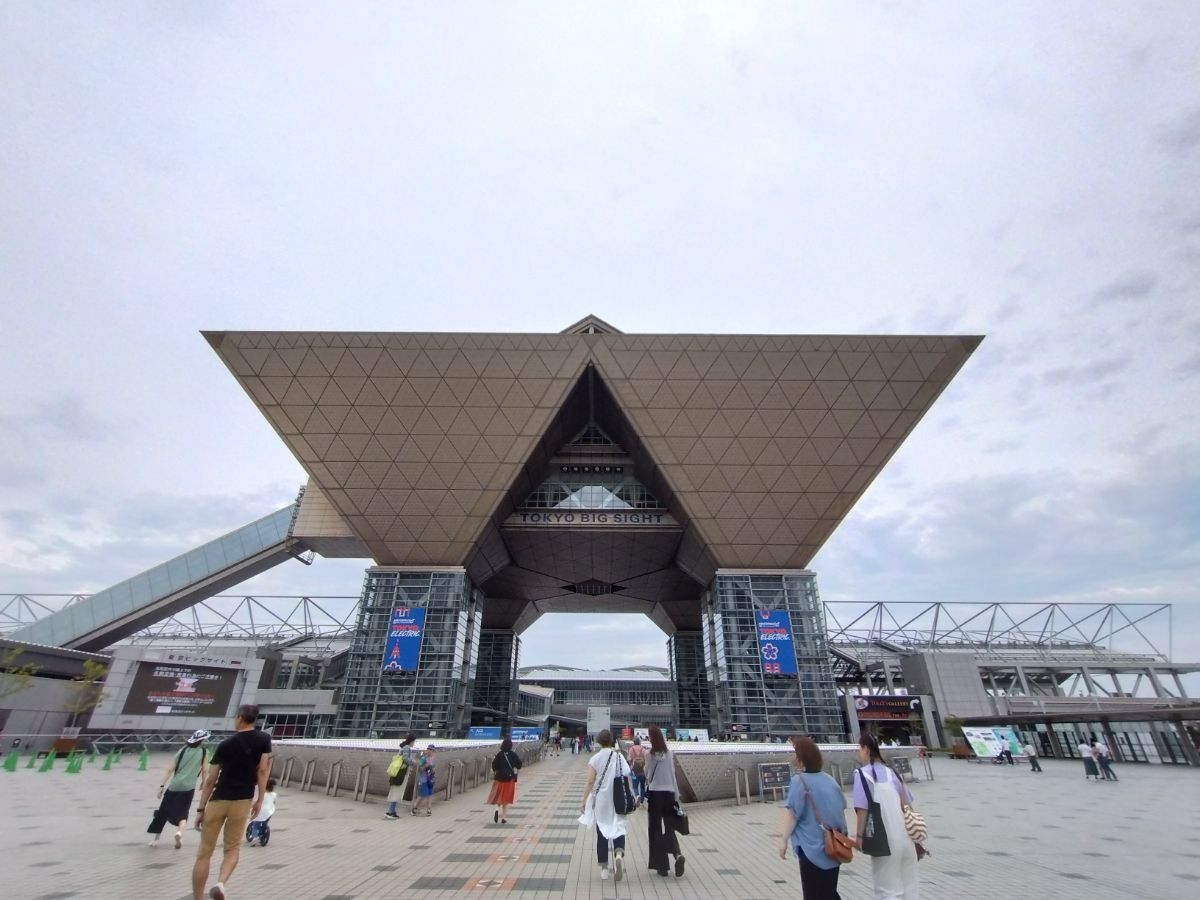
Instead, my family and I decided to visit the Fan Village, which was held in Halls 4 to 6 of the East Exhibition Hall at Tokyo Big Sight.
It was raining on the 17th, so we went on the 18th instead.
The good news is that admission to the Fan Village was free.

Formula E “Tokyo E-Prix” Overview
Event Dates: Saturday, May 17 – Sunday, May 18, 2025
Location: Ariake, Tokyo – around the Tokyo Big Sight area
The Tokyo E-Prix is held on a 2.582 km international racing circuit that loops around the Tokyo Big Sight convention center.
Formula E “Tokyo E-Prix” is the Japanese leg of an international Formula car racing series where all vehicles are fully electric (EVs). This cutting-edge and eco-friendly race aims to promote the future of mobility technology and the adoption of electric vehicles. It’s a thrilling event where the excitement of high-speed racing meets the unique cityscape of Tokyo.
Ticket Prices
The ticket prices for the event held on May 18 were as follows.
- Grandstand A (General): ¥24,000
- Grandstand B (General): ¥18,000
- Grandstand B (U24): ¥13,500
- Grandstand B (U15): ¥9,000
- Grandstand C (General): ¥12,000
- Grandstand C (U24): ¥9,000
- Grandstand C (U15): ¥6,000
Fan Village
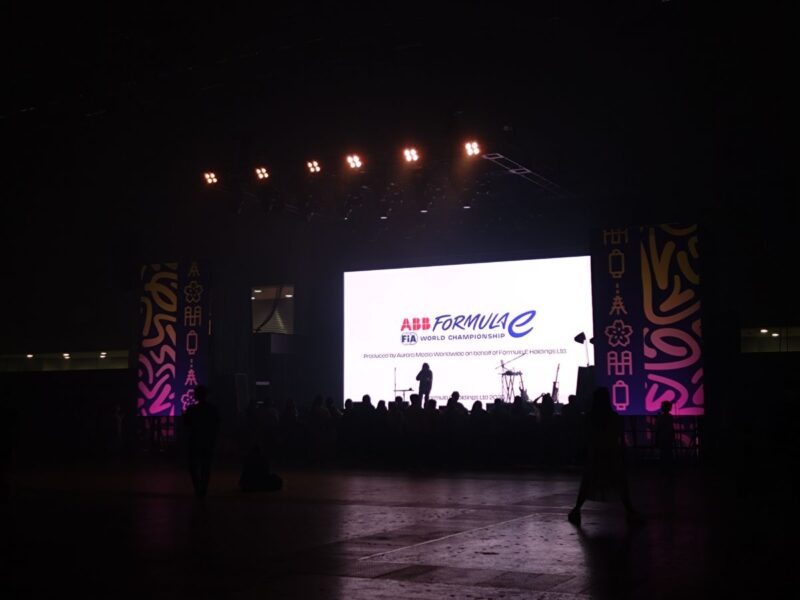
The “Fan Village,” held in East Halls 4 to 6, was free to enter. Large screens were set up, allowing visitors to watch the race from inside.
Things to Note About the Fan Village
Security checks were conducted at the entrance to prevent dangerous items from being brought in. I had to leave my child’s powdered milk can at the entrance, as it wasn’t allowed inside. Since it was very crowded, dropping it off and picking it up was quite a hassle.
What the Race Was Like
To be honest, it felt like the cars were just going around and around in a tight space. Since it’s a street circuit, overtaking opportunities are naturally limited. Personally, I wasn’t there for the technical aspects of the race—I just wanted to enjoy the lively atmosphere of the venue.
Atmosphere in the Fan Village

The venue was bustling with activity — there were plenty of merchandise stands and food stalls, creating a festive and energetic atmosphere.

There was a mini driving course for kids, but since the pedals were out of reach, we couldn’t participate. Still, just sitting in the displayed go-kart made my child incredibly happy.

They had a racing simulator as well, but the line was incredibly long—so we had to give up on that one. Maybe next time!
Access
Nearest Stations:
- Rinkai Line: About a 7-minute walk from Kokusai-Tenjijo Station
- Yurikamome Line: About a 3-minute walk from Tokyo Big Sight Station
As for my route, I first traveled from Kaihin-Makuhari to Shin-Kiba. From there, I transferred to the Rinkai Line and took the train to Kokusai-Tenjijo Station, which was just two stops away.

This is Tokyo Big Sight Station.

I’m inside Tokyo Big Sight. It’s very spacious, and it’s easy to get lost. I’m on my way to the East Halls.
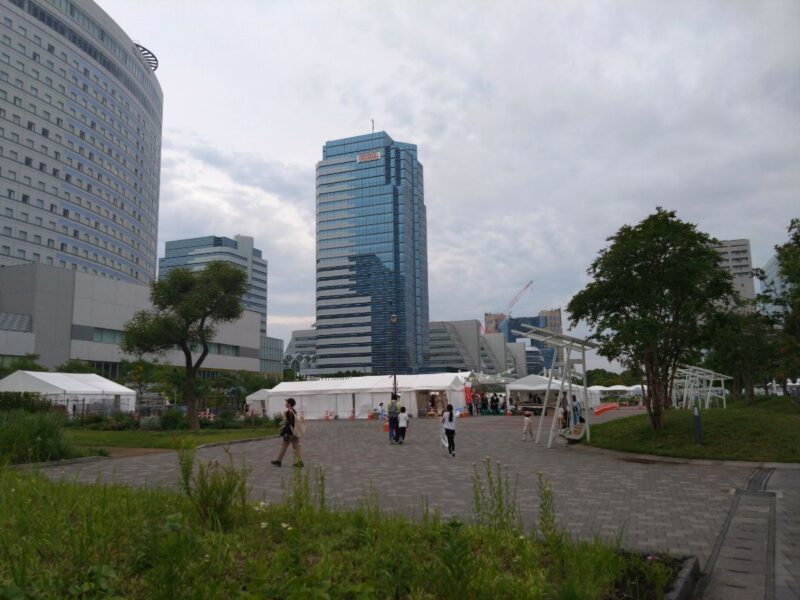
This is around Tokyo Big Sight Station. There was also a festival called the ‘Tokyo Delicious Museum’ happening here.
The Fan Village had a festive, almost expo-like vibe. There were booths from sponsors and car brands, interactive exhibits about EV technology, and plenty of family-friendly activities. Even those who aren’t motorsports fans could have fun here.
Thanks for sharing this journey with me.

